Consulting is trusted, but hard to scale
Expert work can be thoughtful and tailored, but it is often slow, expensive, and difficult to refresh when facts change.

Inventurist is building a marketplace where subject-matter expertise, analyst judgment, trusted data, and AI automation deliver repeatable decision support services.
High-stakes decisions
High-stakes decisions can determine whether a project or company succeeds. They commit substantial resources, can be difficult to reverse, and must often be made before the consequences are clear. In data centers, those choices depend on other parties and on systems that continue to change.

Status quo
The hardest business decisions are too important for generic AI answers, too dynamic for one-time consulting memos, and too judgment-heavy for dashboards alone.
Expert work can be thoughtful and tailored, but it is often slow, expensive, and difficult to refresh when facts change.
Dashboards can organize data, but they usually leave the hardest interpretation to the client at the exact moment judgment matters.
AI can summarize quickly, but strategic decisions require traceable evidence, consistent methods, and accountable review.
The Inventurist model
We combine subject-matter expertise, analyst review, trusted data and AI automation to build customized decision models. System scorecards support those models with a structured view of the data center and its dependencies.
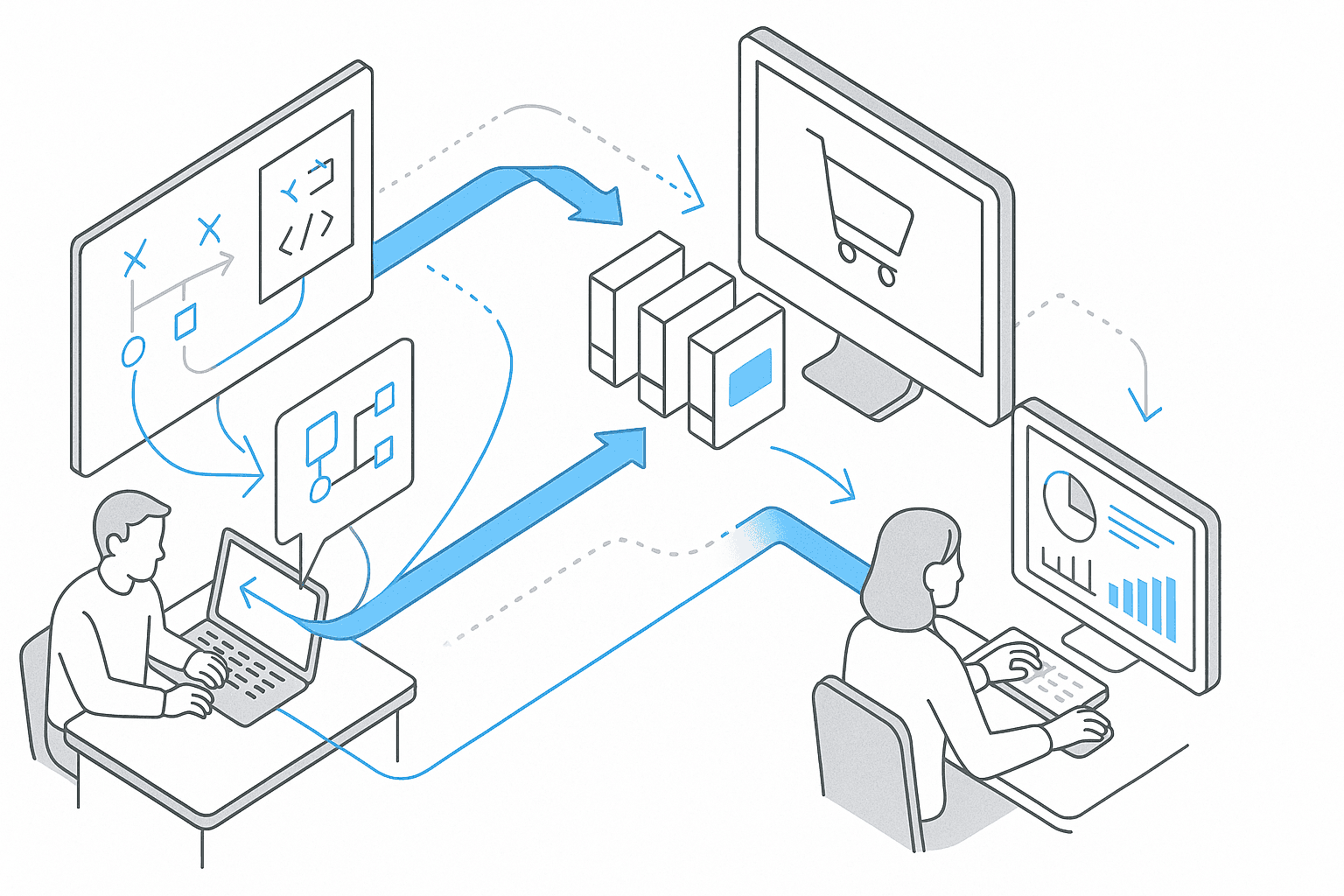
Inventurist is building a platform where evidence, models, analysts and experts work together to support high-stakes decisions.
A data center developer needs to commit to a site. An electric utility company needs to agree on capacity. An investor needs to decide when to release capital.
Domain specialists identify what matters, interpret the context, and challenge the assumptions about each party's goals and constraints.
Analysts check sources, reconcile conflicting evidence, and make gaps and uncertainty visible.
AI helps organize evidence, represent the parties, simulate alternative choices, and refresh the analysis as conditions change.
Our modeling methodology
Power, cooling and compute describe what is being developed. Approving an electricity-supply agreement, committing capital or accepting a cooling design describe decisions that change what can be developed.
We represent these as two distinct but linked models, each with its own history. Distinct does not mean independent: decisions shape the system, and system conditions shape the decisions that have to be made next.
Decision modeling · The process
We model each party's goals, assumptions, alternatives and constraints. We simulate how their choices affect one another, forecast expected moves and outcomes, and compare the moves that better serve their objectives.
Examples: sign a supply agreement · release capital · accept a cooling design
Decisions enable or constrain what can be developed.
System modeling · The data center
We represent land, power, cooling, compute and financing as connected parts of a system. A Reality Check scorecard summarizes the project; more detailed scorecards examine the subsystems and variables underneath it.
Examples: power available · cooling capacity · compute configuration · financing conditions
System conditions, evidence and constraints feed back into the process and determine which decisions need to be made next.
Each decision links to the system conditions and evidence informing it, the variables it could change, and the other decisions it enables, constrains or depends on. Those links retain their dates and distinguish a modeled scenario from what actually happened.
How strategy decisions are streamlined
Define the commitment, the parties involved, the available choices and the outcomes that matter.
Connect public records, customer data and expert input to the relevant decisions and system conditions.
Set out each party's goals, assumptions, constraints and possible responses. Review these as evidence-informed hypotheses, not direct knowledge of what a person thinks.
Compare what parties are expected to do with what the simulations suggest would best serve their objectives. Examine how a different choice changes downstream decisions and system conditions.
Experts and the customer challenge assumptions, inspect sources and examine sensitivity. Backtest against historical decisions where the evidence supports it.
Record new commitments and observed system changes separately, then update the model for the next decision.
Principles
AI becomes more valuable when expert judgment, evidence quality, and accountability are designed into the service.
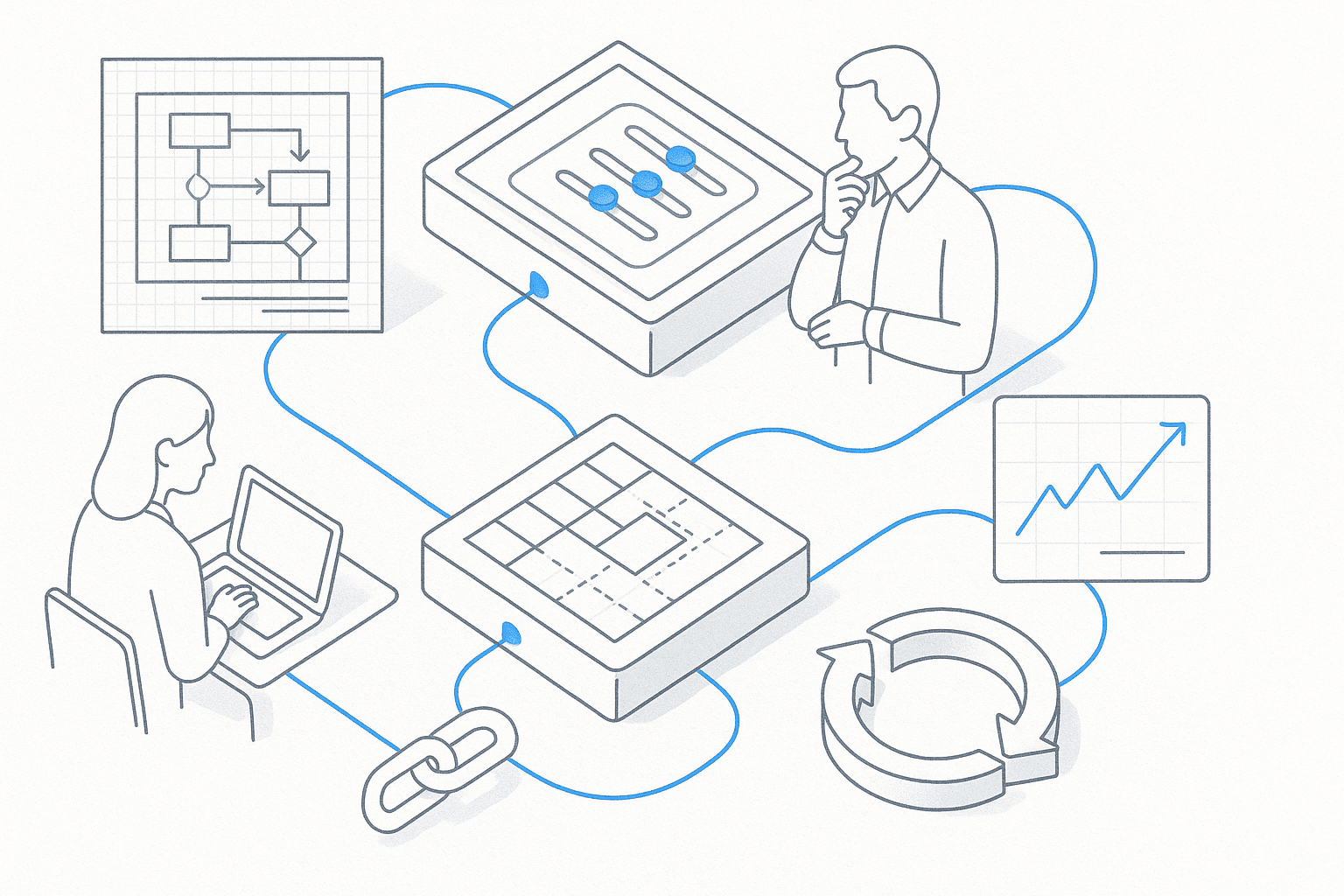
AI supports the work. People remain responsible for interpretation, review and the decision.
Domain knowledge can become repeatable methods without removing the expert from the process.
Claims and numbers should be traceable to sources, assumptions and known gaps.
The strength of the evidence matters as much as the conclusion it supports.
Linked variables, constraints and timing matter more than isolated metrics.
The analysis needs to evolve as evidence, commitments and system conditions change.
Repeatable frameworks
Decision models lead the analysis. Benchmarks, scorecards and playbooks support it by connecting the choices to the system and to practical action.
Identify who can decide, what each party depends on, and how the data center's systems fit together. Benchmarks provide context for comparing relevant system conditions.
Establish which decisions have been committed and what is actually in place. Reality Check and subsystem scorecards make current conditions and gaps visible.
Simulate choices and likely responses before the next commitment. Playbooks translate the reviewed scenarios into actions, conditions and signals to watch.
Our story
Inventurist's work began with research-heavy strategic decisions and AI-enabled analysis. That experience informs our focus on decision modeling for data centers and AI infrastructure.
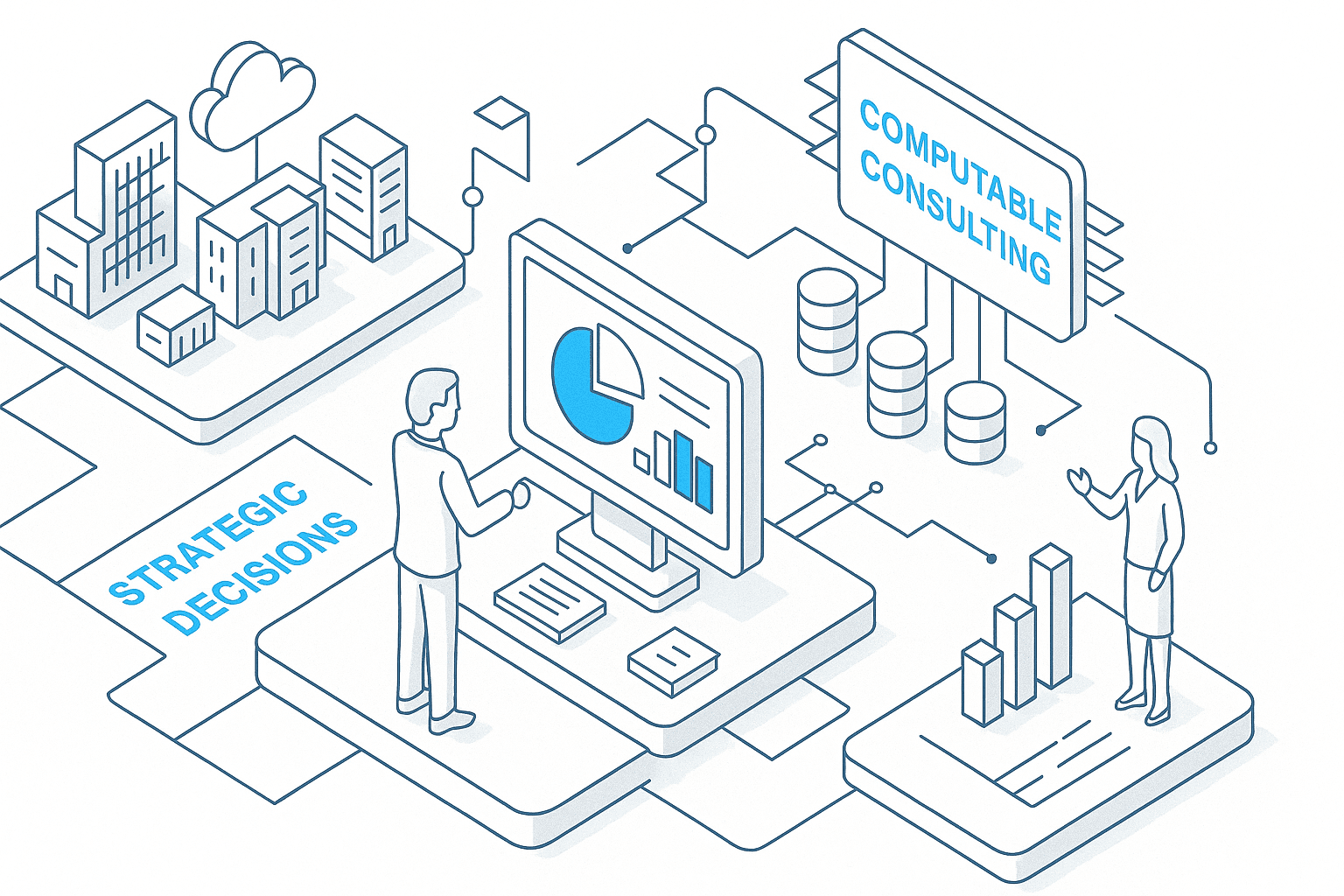
Fortune 500 companies including first-tier institutional finance organizations.
Decades of experience building and commercializing AI and enterprise software.
A proprietary multi-agent system with sense-making AI engine.
People
Experience across AI, strategy, enterprise operations, product development, growth and finance.

CEO/CTO & Co-Founder
Cirrus has worked on AI-enabled strategic decision support for years. His AI background goes back to Ph.D. work in multi-agent modeling and simulation of complex systems.
LinkedIn
COO/CAO & Co-Founder
Gil brings finance, capital markets, and enterprise strategy experience to the work of turning analysis into useful commercial decisions.
LinkedInDaniel Zimmermann· WilmerHale
Daniel advises technology companies on corporate matters, venture financing and growth transactions.
The platform vision depends on a broader network of analysts, data providers, and subject-matter experts. The goal is to make specialized knowledge easier to apply, easier to audit, and easier to deliver where strategic decisions are being made.